Understanding Follicle Count and Ovarian Reserve: What Your Ultrasound Can Tell You
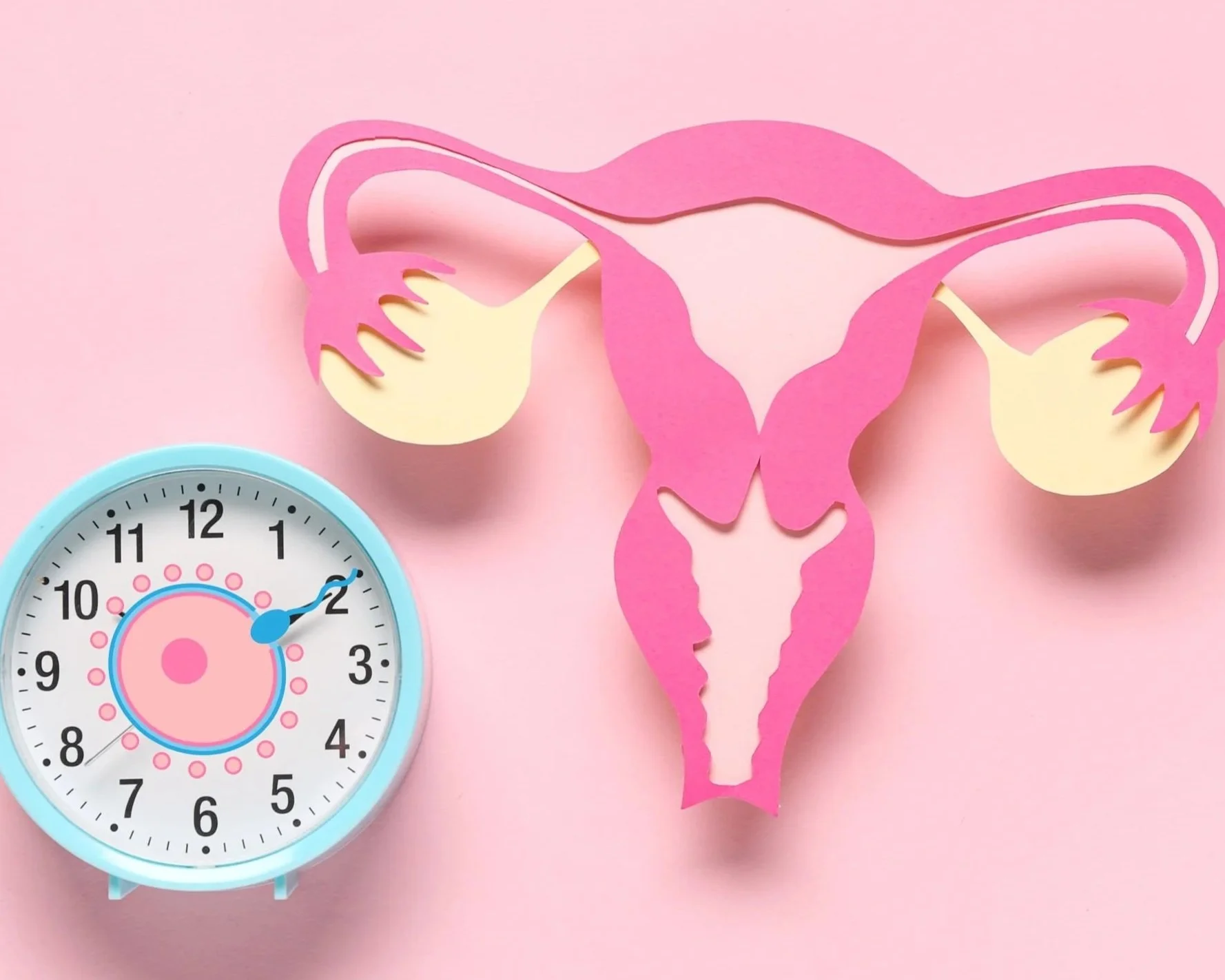
If you've been trying to conceive, you may have heard the term antral follicle count (AFC) or follicle count during a fertility consultation.
For many women, hearing unfamiliar medical terms can feel overwhelming. But understanding what a follicle count measures, and what it doesn't, can help you feel more informed and confident as you navigate your fertility journey.
As a board-certified sonographer and fertility coach, one of my goals is to help women better understand what they're seeing on an ultrasound and how those findings fit into the bigger picture of their reproductive health.
What Is a Follicle Count?
A follicle count, also known as an antral follicle count (AFC), is an ultrasound assessment used to evaluate the small, fluid-filled sacs within your ovaries that may contain immature eggs.
These follicles represent the group of eggs your body has recruited during that menstrual cycle. By counting them, your healthcare provider gains valuable insight into how your ovaries are functioning and an estimate of your ovarian reserve.
This scan is typically performed early in your menstrual cycle, usually between days 2 and 5, when hormone levels are at their baseline. During this stage, the ovaries are easier to evaluate before one follicle becomes dominant and prepares for ovulation.
What We Look For During a Follicle Count
During the ultrasound, we assess several important features, including:
The number of visible antral follicles in each ovary
The size and appearance of those follicles
Whether your ovaries appear to be progressing through the early stages of the menstrual cycle as expected
Any patterns that may suggest your ovaries are responding differently than anticipated
These observations provide a clearer picture of your ovarian activity and can help guide future discussions with your healthcare provider.
Why Does a Follicle Count Matter?
A follicle count is one of the tools used to estimate ovarian reserve, which refers to the number of eggs remaining in your ovaries.
It's important to remember that ovarian reserve is about quantity, not necessarily quality. A follicle count cannot predict whether you'll become pregnant, but it can provide helpful information about how your ovaries are functioning and whether additional evaluation may be beneficial.
When combined with your medical history, hormone testing, age, and menstrual cycle patterns, it becomes an important piece of the overall fertility picture.
What Can a Follicle Count Reveal?
Depending on your individual situation, a follicle count may help identify:
An estimate of your ovarian reserve
Whether one ovary appears more active than the other
Early signs that may suggest diminished ovarian reserve
Patterns of uneven follicle development
A higher-than-expected number of follicles, which may be seen in women with conditions such as PCOS
How your body appears to be preparing for ovulation during the early part of your cycle
Every woman's ovaries are unique, which is why these findings should always be interpreted within the context of your overall health and fertility journey.
Understanding the Bigger Picture
One of the most common misconceptions is that a follicle count tells the whole fertility story.
It doesn't.
A normal follicle count doesn't guarantee pregnancy, just as a lower follicle count doesn't mean pregnancy isn't possible.
Your fertility is influenced by many factors, including egg quality, hormone balance, uterine health, sperm health, lifestyle, and overall well-being.
A follicle count is simply one valuable piece of information that helps guide your next steps with greater clarity.
A Gentle Reminder
If you're navigating fertility challenges, it's completely understandable to feel anxious before an ultrasound or while waiting for results.
Remember, these scans are not about judgment.
They're about understanding.
The more we learn about how your body is functioning, the more informed your decisions can become and the more personalized your care can be.
Knowledge isn't meant to create fear. It's meant to provide clarity, confidence, and direction.
You're Not Alone
Whether you're beginning fertility testing, preparing for treatment, or simply wanting to understand your body better, remember that you don't have to navigate this journey alone.
My goal is to help women feel informed, supported, and empowered by combining nearly two decades of ultrasound experience with compassionate fertility coaching.
If you're ready to better understand your fertility and receive personalized guidance, I'd love to support you on your journey.
Ready for your next step?
Explore my fertility coaching services or join the Reset Wellness Circle to access practical education, ongoing support, and resources designed to help you better understand your body through every season.

Ready to connect?
Hi, I’m Katrina fertility counselor and sonographer who spends my days supporting women in the space most people never see—the vulnerable gap between “we’re trying” and “it finally worked.”
I created this Free online community designed to support all women at the foundation level of fertility and hormone health. With love,
Katrina
Let’s connect: